What Happens After You Find a Tick? Here’s How Tick Testing Works
Finding a tick attached to your skin can trigger a lot of questions. Was it there long enough to transmit disease? Was it carrying Lyme disease? Should you call your doctor? Should you start treatment?
The Pennsylvania Tick Research Lab (TickLab.org) was created to help answer some of those questions quickly and accurately.
Step 1: Remove the Tick Carefully
If you discover a tick, remove it as soon as possible using fine-tipped tweezers or a tick removal tool. Grasp the tick as close to the skin as you can and pull upward with steady pressure.
Avoid common myths like burning the tick or covering it with petroleum jelly, soap, or alcohol. These methods can increase the risk of disease transmission and may interfere with laboratory testing.
Once removed, place the tick in a sealed plastic bag.
Step 2: Submit Your Information Online
Visit TickLab.org and complete the online submission form. You’ll answer questions about:
- Where the tick was found
- Whether it was attached
- The approximate date of exposure
- Who or what the tick was removed from
- Contact information for receiving results
You can also select the level of testing you’d like performed.
Pennsylvania residents currently qualify for free Basic Panel testing, while more extensive testing options are available for an additional fee.
Step 3: Mail the Tick to the Lab
After completing your order, you’ll receive instructions for mailing your specimen to the laboratory in East Stroudsburg, Pennsylvania.
No special collection kit is required. Simply place the tick in a sealed bag and include your receipt or order information with your shipment.
Ticks do not need to be alive to be tested. Even damaged ticks can often provide enough material for analysis.
Step 4: Scientists Identify and Test the Tick
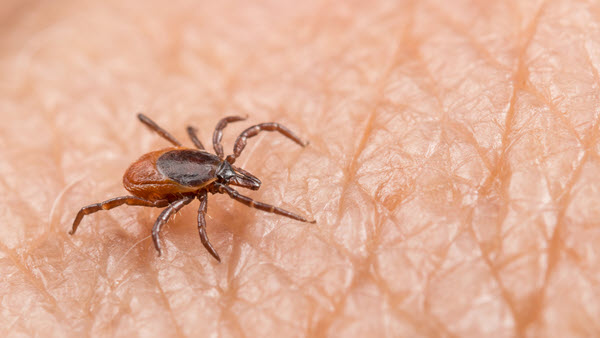
Once your tick arrives at the laboratory, trained technicians first identify the tick species and estimate how long it may have been attached based on its level of engorgement.
The lab then uses a highly sensitive molecular technique called real-time Polymerase Chain Reaction (PCR) to detect the DNA of disease-causing organisms.
According to the laboratory, the testing process involves:
- Extracting DNA from the tick
- Amplifying that DNA using real-time PCR technology
- Analyzing the sample for the presence of specific pathogens
The testing can identify numerous tick-borne pathogens, including those associated with:
- Lyme disease
- Anaplasmosis
- Babesiosis
- Ehrlichiosis
- Rocky Mountain spotted fever
- Powassan virus
- Tularemia
- Other emerging tick-borne illnesses
Step 5: Receive Your Results
The Pennsylvania Tick Research Lab reports results within 72 hours of receiving your specimen.
You’ll receive notifications by email and text message as your tick moves through the process, including:
- Confirmation that your order was received
- Notification when the tick arrives at the lab
- Notification when your results are available
Results can also be shared with your physician or veterinarian if you provide their contact information.
What Do the Results Mean?
A positive result does not necessarily mean you will become sick. Disease transmission depends on several factors, including how long the tick was attached and whether transmission actually occurred.
However, knowing that a tick carried a specific pathogen allows you and your healthcare provider to monitor symptoms more closely and discuss whether preventive treatment is appropriate.
Likewise, a negative result cannot completely rule out illness. You may have been exposed to another tick or a pathogen not included in the selected testing panel.
Tick testing should be viewed as one piece of the overall clinical picture—not a standalone diagnosis.
Why Tick Testing Matters
For many people, the most difficult part of a tick bite is the uncertainty. Tick testing provides timely information that can help guide next steps rather than relying solely on waiting for symptoms to develop.
In areas where tick-borne diseases are common, having access to fast, laboratory-based testing offers peace of mind and empowers individuals to make informed decisions about their health.
The next time a tick hitchhikes home after a hike, baseball game, camping trip, or backyard adventure, remember: don’t throw it away. That tiny pest may hold important answers.