Slathering on the Truth: Why Vaseline is Beating Neosporin for Minor Cuts
We’ve all been there: you’re chopping veggies, opening a package, or just walking past a sharp corner, and bam—a minor cut. Your first instinct is probably to run to the medicine cabinet, grab that trusty tube of Neosporin (or another triple-antibiotic ointment), and slather it on.
For decades, we’ve been conditioned to think that wounds need heavy-duty antibiotics to heal. But modern dermatology is singing a different tune. As it turns out, that simple, humble jar of Vaseline (petroleum jelly) might actually be a much better choice for your everyday nicks and scrapes.
Here is why it’s time to rethink the antibiotic ointment and embrace the petroleum jelly.
1. The Myth of the Sterile Wound
Many people believe that triple-antibiotic ointments “kill the germs” and make a wound heal faster. While they do kill bacteria, minor, clean cuts rarely need that kind of firepower. Your body’s immune system is incredibly efficient at handling the baseline bacteria on your skin.
What a minor cut actually needs to heal isn’t a chemical warfare zone—it needs moisture.
2. Vaseline Creates the Perfect Healing Environment
Wounds heal best when they are kept clean and moist. When a cut dries out, it forms a hard scab. While we used to think scabbing was a good thing (“Look, it’s healing!”), dermatologists now know that scabs actually slow down the process. A hard scab acts as a physical barrier that new skin cells have to fight their way under to close the wound.
How Vaseline Works: Petroleum jelly acts as an occlusive barrier. It traps your skin’s natural moisture, preventing a hard scab from forming. This allows new skin cells to travel across the wound quickly, leading to faster healing and less scarring.
3. The “Neosporin Rash” (Contact Dermatitis)
This is the biggest reason dermatologists have moved away from triple-antibiotic ointments. One of the main ingredients in Neosporin is neomycin, which happens to be a notorious allergen.
Have you ever put an antibiotic ointment on a cut, only for it to become red, itchy, puffy, and angry looking a few days later? You might have assumed the cut was getting infected. In reality, it’s highly likely you were experiencing allergic contact dermatitis from the neomycin.
Because Vaseline contains only one ingredient (100% white petrolatum), the risk of an allergic reaction is practically zero. It’s incredibly gentle, even on sensitive or raw skin.
Antibiotic Ointment vs. Vaseline: At a Glance
| Feature | Triple-Antibiotic Ointment (e.g., Neosporin) | Petroleum Jelly (e.g., Vaseline) |
| Primary Function | Kills bacteria; provides a moisture barrier. | Locks in moisture; protects the wound barrier. |
| Allergy Risk | High (Neomycin is a common allergen). | Extremely Low (Hypoallergenic). |
| Scab Prevention | Moderate. | Excellent. |
| Cost | Pricier per ounce. | Extremely budget-friendly. |
How to Treat a Minor Cut the Modern Way
Ready to update your first-aid routine? Skip the fancy chemicals and follow these simple steps:
- Wash it out: Run the cut under cool or lukewarm tap water and use mild soap to clean the surrounding area. Skip the hydrogen peroxide or rubbing alcohol—they damage healthy tissue and delay healing!
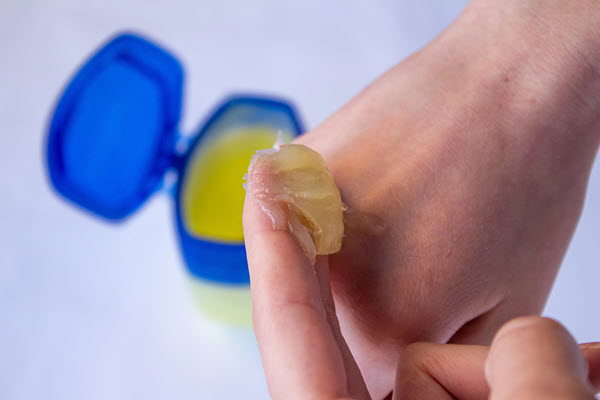
- Apply Vaseline: Use a clean cotton swab or clean fingers to apply a thin layer of Vaseline over the cut to keep it moist.
- Cover it up: Place a clean bandage over the area to keep out dirt and debris.
- Repeat: Change the bandage daily, applying a fresh dab of Vaseline each time, until the skin has completely closed.
When to Actually Call the Doctor
While Vaseline is king for minor scrapes, it isn’t a cure-all. You should still seek medical attention if:
- The cut is deep, gaping, or won’t stop bleeding (you might need stitches).
- The wound was caused by something dirty or rusty (you may need a tetanus shot).
- You notice genuine signs of infection: spreading redness, red streaks, increased warmth, throbbing pain, or pus.
The Bottom Line
Next time you get a minor paper cut or scrape your knuckle, leave the antibiotic ointment in the drawer. Grab the Vaseline, keep it moist, and let your body do what it does best—heal. Your skin (and your wallet) will thank you!